Gym Strong, Crag Humble: Making the Leap to Real Rock Without Losing Your Mind
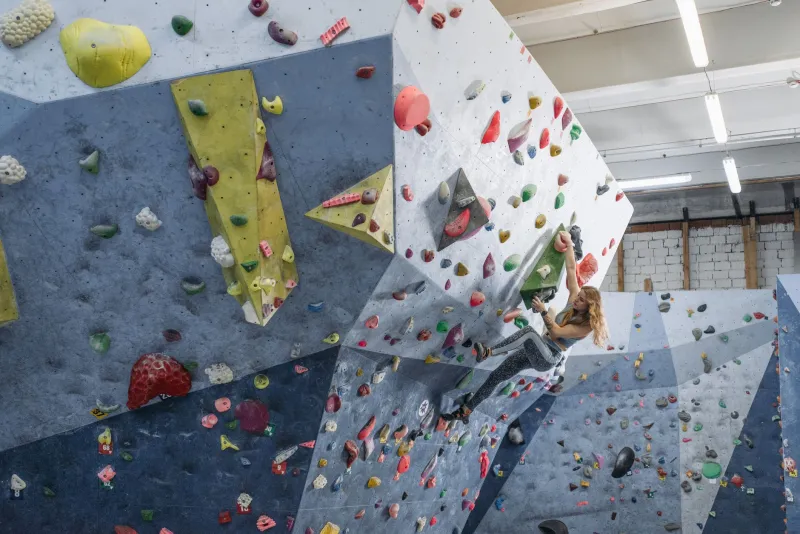
Let's set the scene. You've been crushing V6s at your local gym for the past six months. Your footwork is dialed, your core is solid, and you've finally got that dynamic move sequenced on the project wall. You feel ready. So you drive two hours to a real crag—Red River Gorge, Shelf Road, Rumney, wherever—and you rope up on what the guidebook calls a 5.10c.
And it humbles you completely.
This is one of the most common and least-discussed experiences in American climbing culture. The gym-to-outdoor gap is real, it's significant, and it catches people off guard every single season. Not because they're bad climbers—but because the gym and the crag are, in many meaningful ways, completely different sports.
Why Your Gym Grade Doesn't Travel
Indoor climbing grades are set by route setters who are trying to create a specific movement challenge. The holds are defined. The sequence is more or less implied. The friction is consistent. The wall angle is predictable. Everything is designed to be legible.
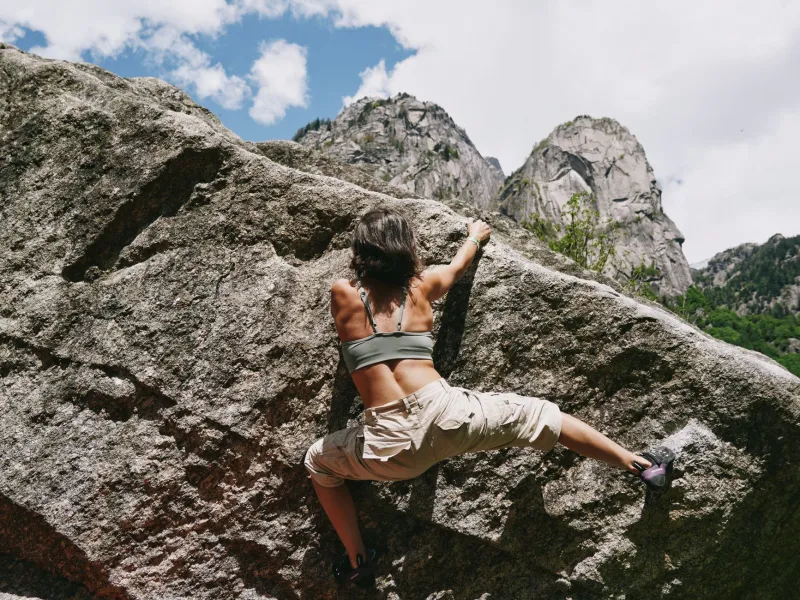
Outdoor grades are set by humans with opinions, and the rock was set by geology. That 5.10c at your local crag might have a crux that requires reading a subtle foot smear on a sloping granite face, followed by a committing move to a sloper that only works if your hip is in exactly the right position—and none of that will be obvious until you've been on the route for a while. Or it might be sandbagged. Or soft. The grade tells you something, but it doesn't tell you what to do.
This isn't a flaw in the system. It's the whole point. Outdoor climbing rewards a completely different kind of intelligence—the ability to read stone, feel for friction, problem-solve in real time, and commit to moves that don't have obvious solutions.
The Skills That Don't Transfer (And the Ones That Do)
Here's an honest breakdown of what the gym gives you and what it doesn't.
What transfers well:
- Raw finger and upper body strength
- Body tension and core stability
- Basic movement patterns (high steps, drop knees, underclings)
- Clipping efficiency and rope management fundamentals
- The mental habit of projecting and working moves
What doesn't transfer cleanly:
- Reading natural features — slopers, edges, and pockets on real rock feel completely different from plastic
- Friction and trust — trusting a foot smear on granite or sandstone is a learned skill that takes time
- Route-finding — outdoor routes often have multiple possible sequences and no obvious "right" path
- Gear placement intuition (for trad climbers)
- Managing runouts and real consequence — the psychological experience of outdoor lead climbing is categorically different from gym lead climbing
- Dealing with variables — lichen, moisture, temperature, and rock texture all affect how a route climbs
The Ego Problem
The gap between gym performance and outdoor performance is primarily a technical and experiential one. But there's a psychological layer that makes it harder to bridge: ego.
When you've been climbing V6 indoors and you struggle on a 5.10 outside, the narrative your brain constructs is I'm failing. But that's the wrong frame. You're not failing—you're doing something genuinely different that you haven't learned yet. The problem is that the emotional experience of struggling on a "easy" route feels like regression, and that feeling makes people defensive. They blame the grade. They blame the rock. They rush through routes trying to prove something instead of slowing down and learning.
The climbers who make the outdoor transition quickly are almost always the ones who get curious instead of defensive. They treat every outdoor session like a research project. What does this rock type want from me? What's the foot doing that I'm not trusting? Why did that sequence feel wrong?
A Realistic Timeline for Outdoor Progression
If you're coming from a solid indoor background—say, consistent V4-V6 or 5.11-5.12 gym climbing—here's a realistic expectation for outdoor development:
Month 1-2: Expect to climb two to three grades below your gym level outdoors. This isn't permanent—it's calibration. Focus on movement quality, not grade.
Month 3-4: You'll start to feel the rock making sense. Friction will feel more predictable. You'll develop intuition for reading features. Your outdoor grades will start creeping up.
Month 5-6: If you've been getting outside consistently (once or twice a month minimum), you'll likely find a new equilibrium—probably within one to two grades of your indoor level on routes that suit your style.
Beyond six months: Outdoor climbing starts to feed back into your gym climbing in positive ways. Your footwork gets more precise. Your reading of movement gets faster. The two disciplines start reinforcing each other.
The key variable here is frequency. Getting outside once a season won't build the pattern recognition you need. Getting outside regularly—even on easier routes—accelerates the process dramatically.
How to Actually Bridge the Gap
A few practical approaches that genuinely help:
Climb with people who are better outdoors than you. The fastest way to learn outdoor movement is to watch someone who's fluent in it. Pay attention to where they put their feet, how they read the rock, where they hesitate and why.
Choose your first outdoor projects based on rock type familiarity. If you've climbed limestone before, start there again. If you're new to granite, give yourself extra grade buffer. Different rock types require genuinely different techniques.
Slow down your sequences. Outdoors, the urge to rush through a route—especially when you're pumped or nervous—is strong. Resist it. Deliberate movement teaches you more than frantic movement.
Embrace the toprope. There's zero shame in toproping a route to learn it before leading it. The goal is learning the rock, not proving you can onsight everything.
Leave the grade out of it. Seriously. At least for your first season outdoors, stop telling people what grade you climbed. Just describe what you did. It removes the ego pressure and lets you focus on the actual experience.
The Crag Has Nothing to Prove to You
The rock doesn't care how hard you climb in the gym. It doesn't adjust itself based on your expectations. And that's actually one of the best things about it.
Outdoor climbing has a way of stripping away performance anxiety and replacing it with something more honest—a genuine conversation between you and the stone. The climbers who fall in love with real rock are usually the ones who stopped trying to win that conversation and started listening instead.
Go outside. Climb below your grade. Pay attention. The gains will come.